Open today: 11 am – 6 pm

RE: Kollwitz
Bildstörung #2

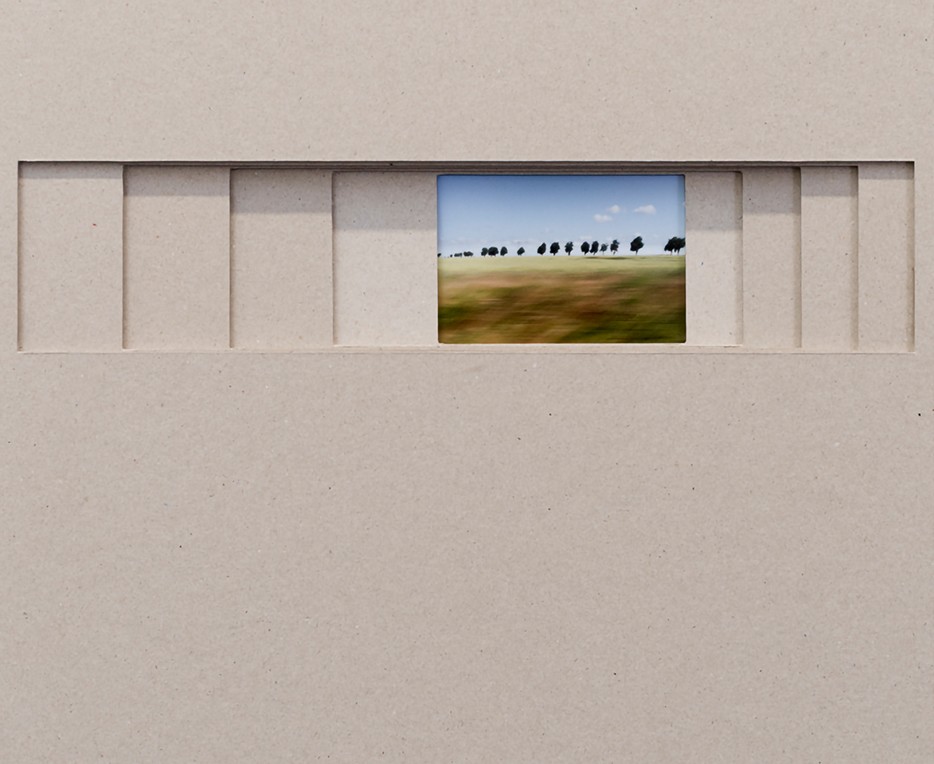
Takeki Hayashida, Yet the landscape is still beautiful, 50 x 40 cm, bookbinding board, fine art print, 2026 © Takeki Hayashida 2026
Takeki Hayashida, Yet the landscape is still beautiful, 50 x 40 cm, bookbinding board, fine art print, 2026 © Takeki Hayashida 2026  

Photography class Prof. Heidi Specker
HGB Leipzig

Jana Ehls | Jonas Erler | Benjamin Friedle | Takeki Hayashida | Lucie Löchel | Heidi Specker | Stephen Stahn | Anita Olarescu

29.9. — 15.11.2026

Re: stands for regarding — and, at the same time, for further reflection and reinterpretation

During the 2025/26 academic year, photography class Prof. Heidi Specker at the HGB Leipzig engaged intensively with Kollwitz. The result is 19 works in various media – ranging from sculpture and photography to film and installation.

Eight of these works are now on display as part of the exhibition KOLLWITZ Selected. at the KOLLWITZ MUSEUM KÖLN under the title BILDSTÖRUNG. 
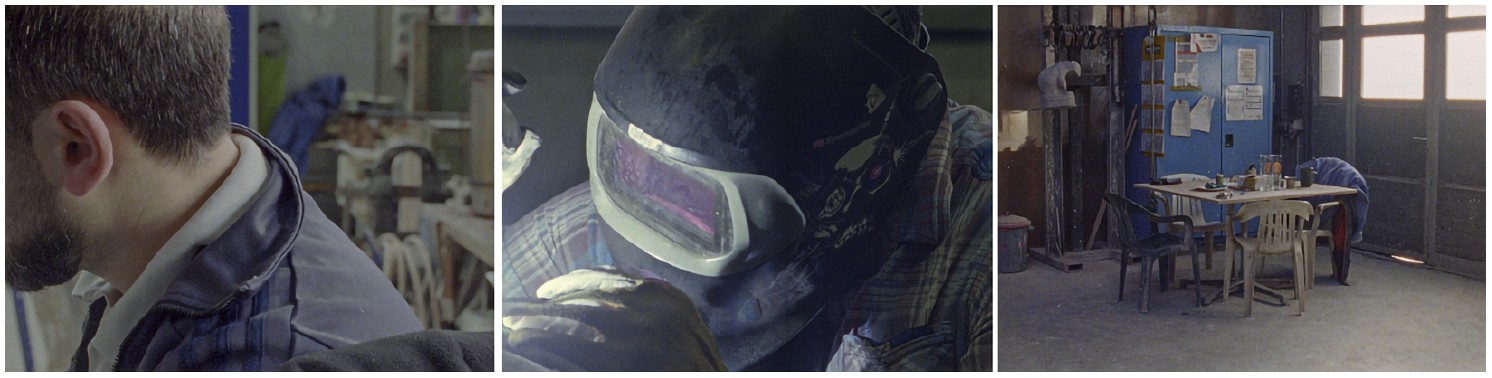
The image shows three stills from a film shot at the Noack art foundry in Berlin — Hermann Noack GmbH & Co. KG. Bronze sculptures by Käthe Kollwitz were cast there both during her lifetime and posthumously.
Jonas Erler, From hand to form to body to hand, 16mm film; digitized; video projection; 2026, Camera: Luis Maria Weindl, Sound: Rebecca Häfner, Graphic: Ricardo Sander, Sound, Design / Music: Arno Selle © Jonas Erler, 2026

These positions approach Kollwitz from different perspectives: as an artist, as a woman, as a contemporary witness, or as a politically engaged individual.

They draw on her work, her artistic techniques, as well as her personal accounts in diaries, letters and photographs. The result is a range of explorations that are personal without remaining private. 

Some take up Kollwitz’s visual language or motifs, whilst others examine the material conditions of her creative process, the person behind the work, or gaps in her body of work.

Preview: Three out of eight

Jana Ehls focuses on what is absent, examining gaps in Kollwitz’s sculptural œuvre as well as the relationship between photography and sculpture. Surviving photographs and documents attest to the existence of over 40 sculptures, most of which were destroyed either during the war or by Kollwitz herself. 
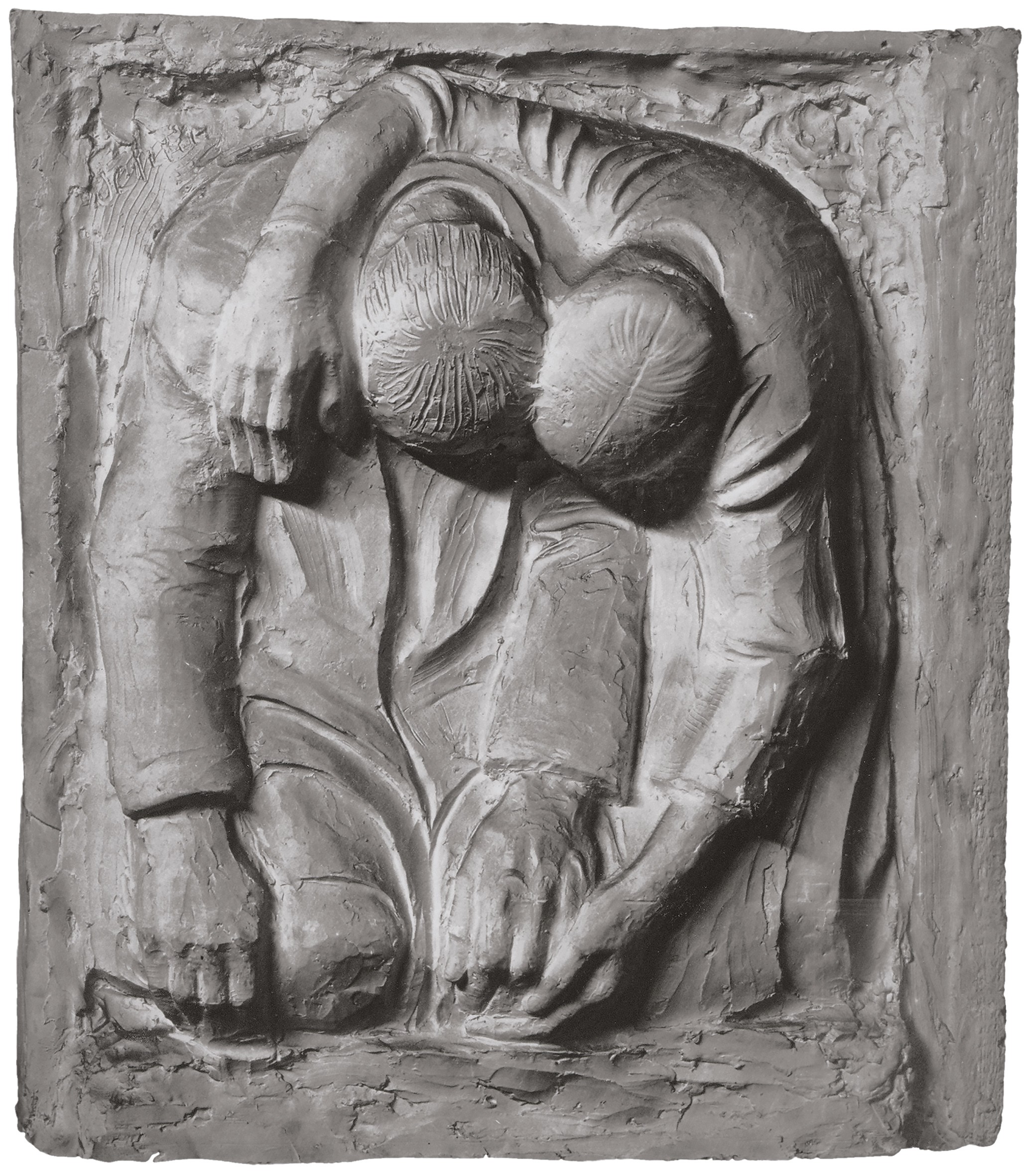
»What is missing (VIII)« directly refers to the discarded version of the memorial »Mourning Parents«, opening a dialogue with contemporary issues of war, remembrance, and loss.
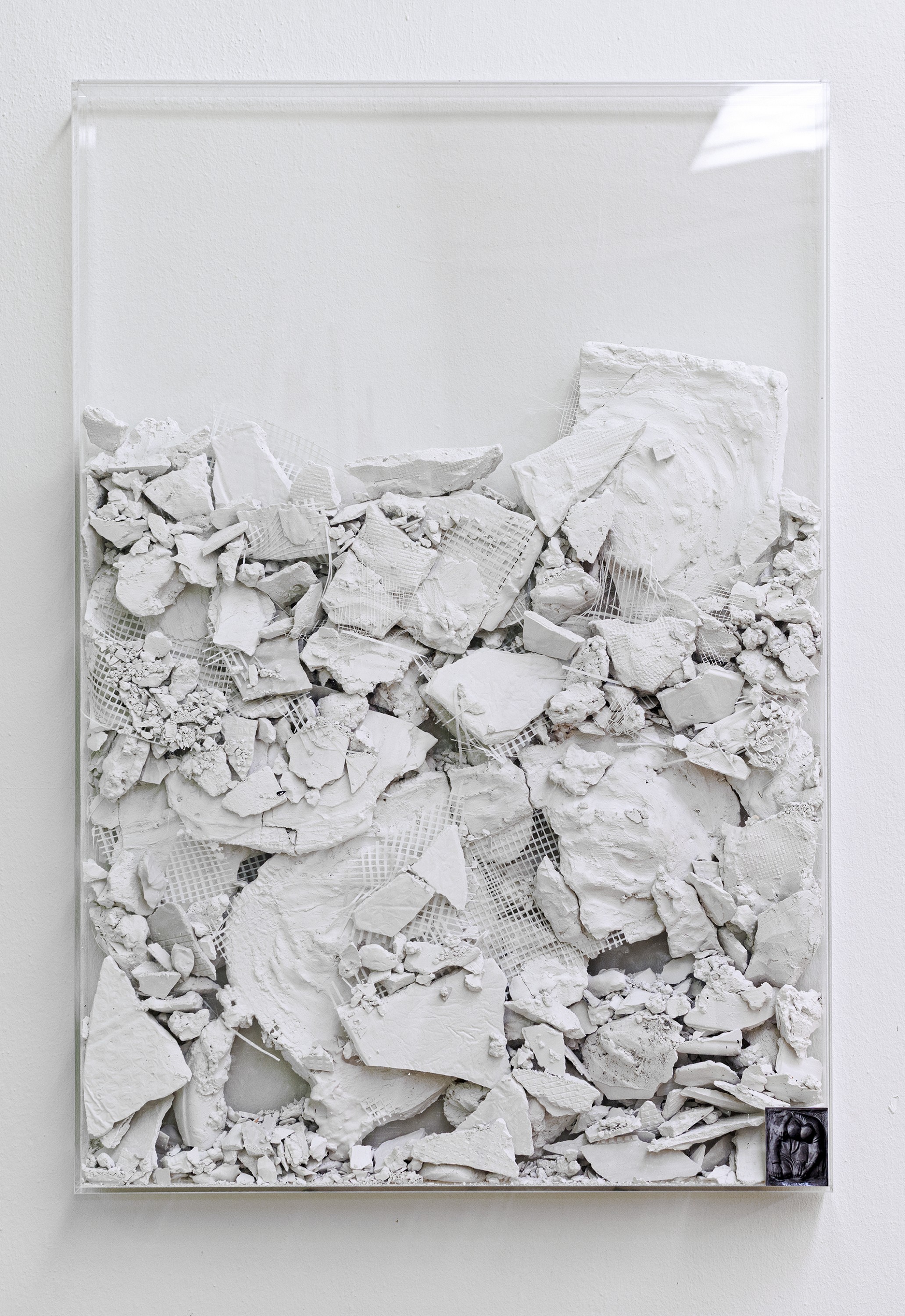
Jana Ehls, What is missing (VIII), 60 × 88 × 5 cm, plaster, acrylic glass, fine art print, wall object, 2026 © Kunstsammlungen Chemnitz, Jana Ehls 2026
The black-and-white image shows a plaster relief depicting two figures bent deeply forward, clinging tightly to one another in profound grief. One arm rests protectively over the other’s shoulder, while their heads droop listlessly forward and touch. The rough, block-like texture of the surfaces reinforces the impression of deep sorrow and mutual support.
Käthe Kollwitz, tomb relief ‘Grieving Parents’, rejected version of a memorial for the Roggeveld Military Cemetery, Belgium, 1917–18, plaster, tinted, dimensions unknown. (life-size?), illustration from: Käthe Kollwitz. Das plastische Werk, photographs by Max Jacoby, edited by Hans Kollwitz, foreword by Leopold von Reidemeister, Hamburg 1967, reproduction: Kollwitz Museum Köln

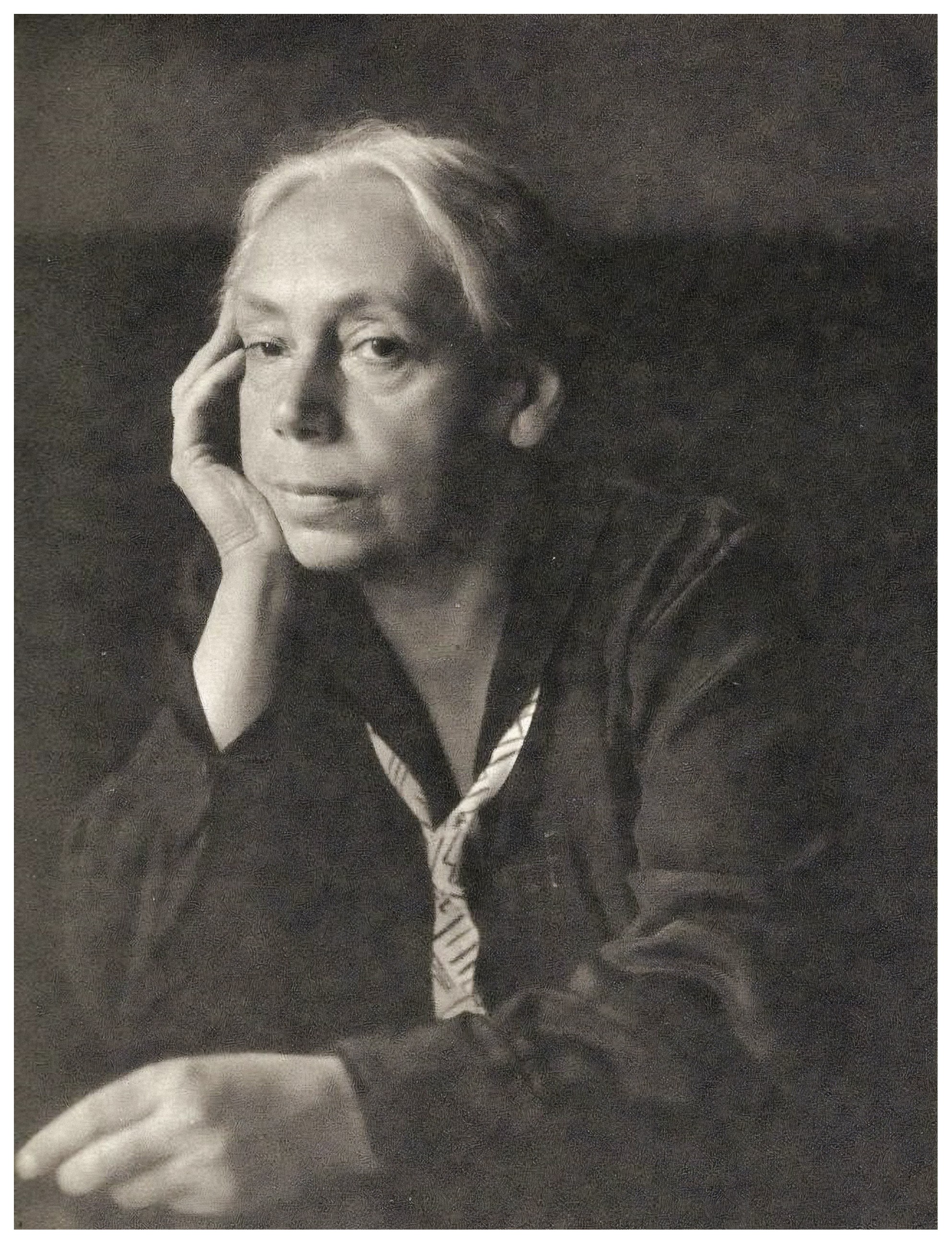
In her artist’s book, Anita Olarescu draws on a portrait photograph of the artist taken by Hugo Erfurth in 1927. She interprets the tie as a symbol of authority with masculine connotations, through which Kollwitz deliberately relativises her identity and gender roles.
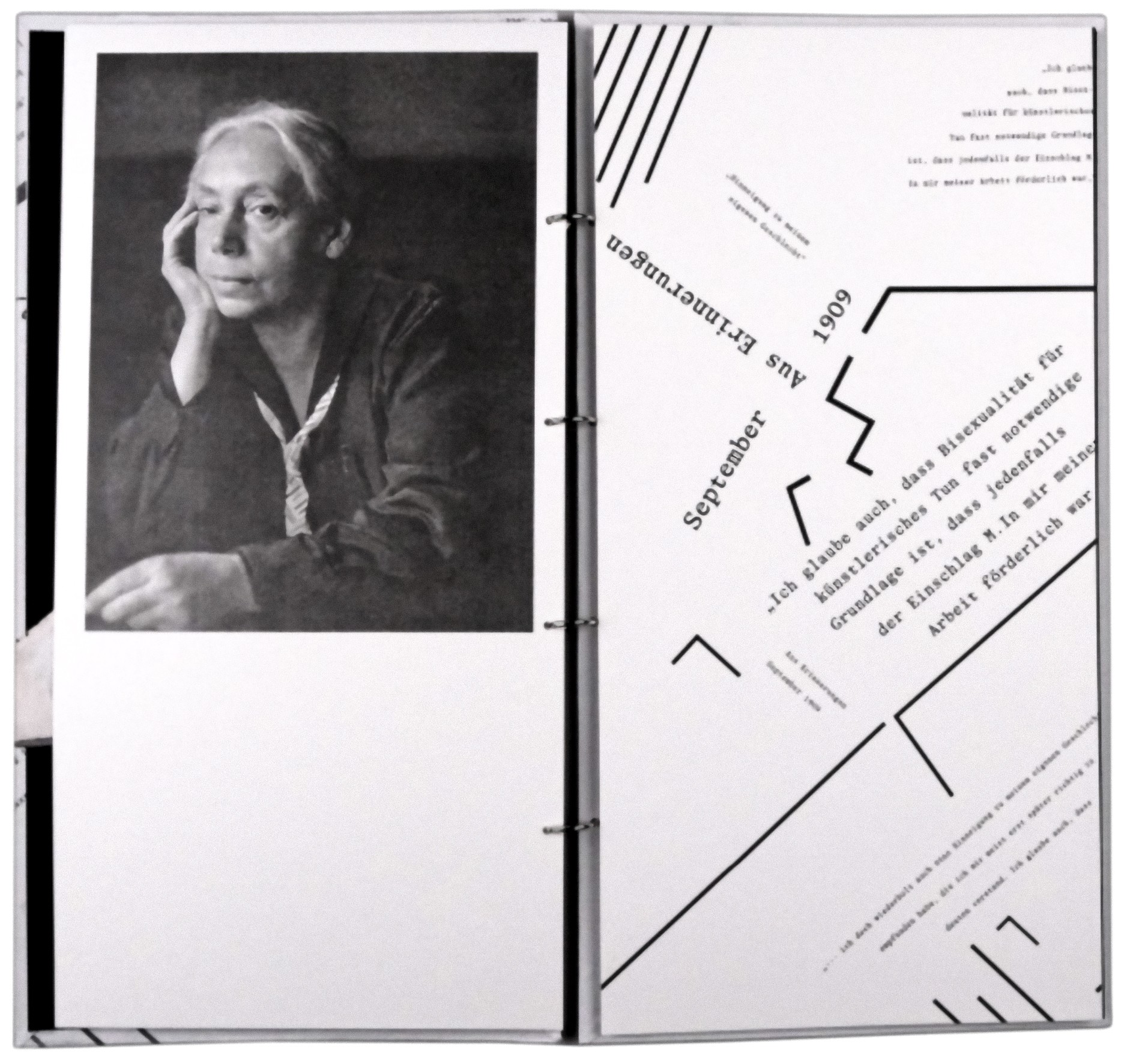
The image shows two pages of a leporello, both in portrait format. On the left is a Kollwitz portrait by the photographer Huge Erfurth; on the right are graphically designed texts, including diary entries by Käthe Kollwitz.
Anita Olarescu, Perspectives, 42 x 21 cm, leporello, digital printing, 2026 © Anita Olarescu 2026
The black-and-white portrait shows Käthe Kollwitz with light-coloured hair combed back, in a pensive pose. She gazes slightly past the viewer with a serious, melancholic expression, whilst resting her head on her right hand. She is dressed in a dark blouse and a light-coloured, patterned bow tie against a calm, dark background.
Hugo Erfurth (1874–1948), Portrait Käthe Kollwitz, 1927, Wikimedia Commons, CC0 1.0.

Heidi Specker: »A portrait of a woman, direct, honest, unvarnished. It is part of the series »In Front Of«. The theme of these photographs, taken in her personal environment, is precariousness — social, emotional, existential... in being.
I find encouragement in Käthe Kollwitz. The tension of the precarious is lost when the viewer feels comfortable while looking... Realism demands it. In showing and in being shown.«
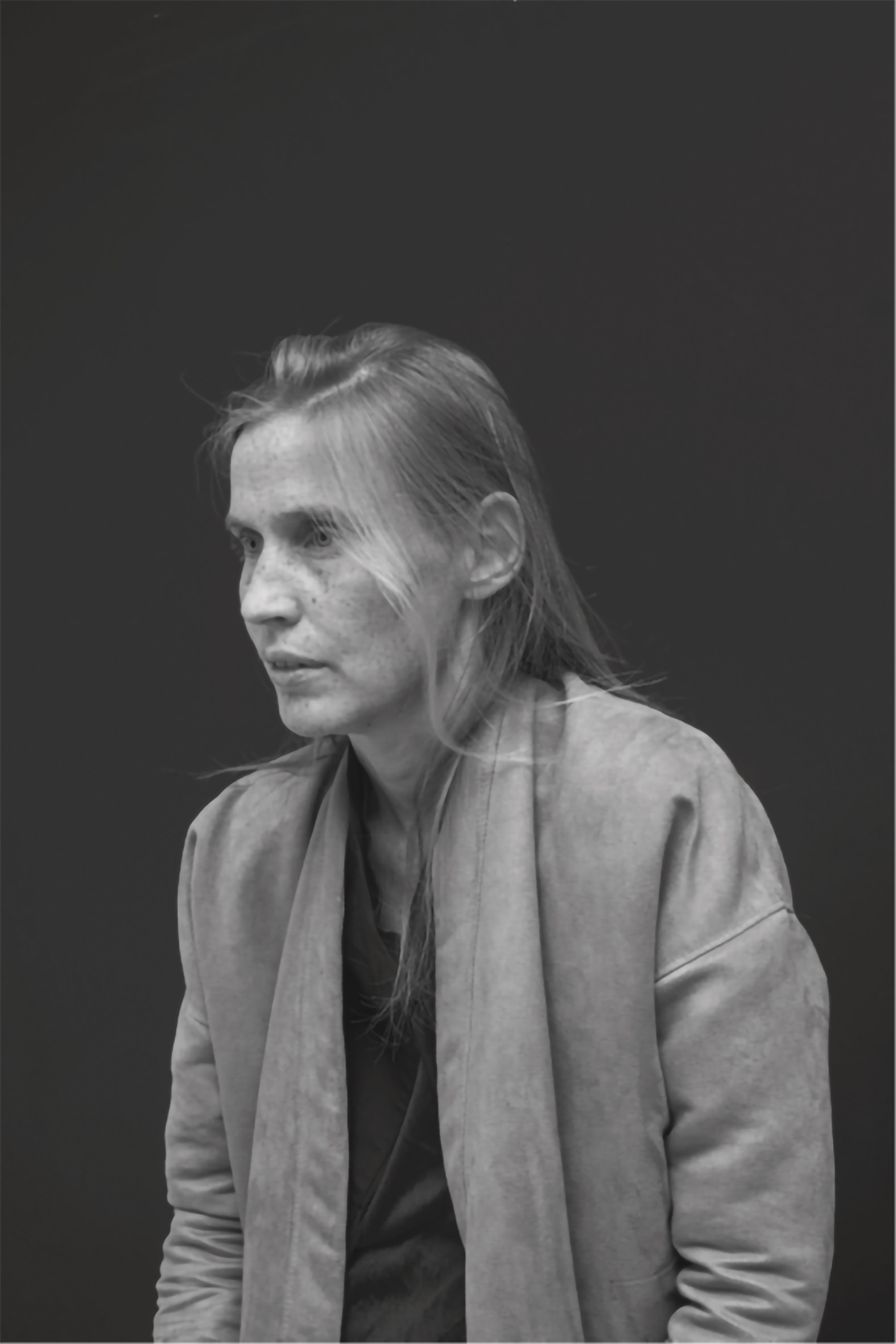
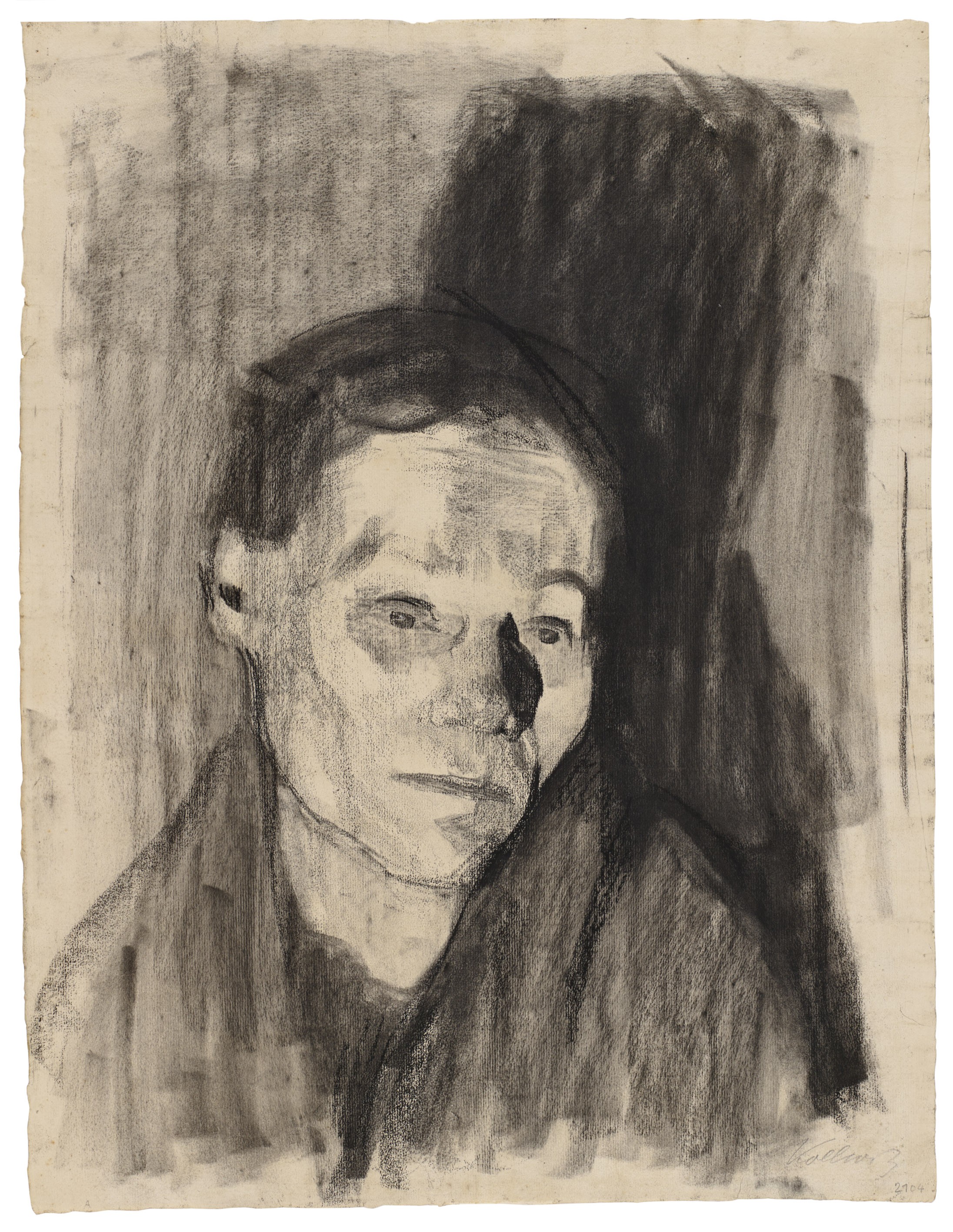
This black-and-white portrait shows a woman with long, light-coloured hair, viewed in three-quarter profile against a neutral, dark background, looking to the left. She has a pensive or serious expression and is wearing an open, softly draping jacket over a dark top. The light falls on her face from the front, gently highlighting her delicate features and the texture of her clothing.
Heidi Specker, In Front Of, B.F., 69 x 46 cm, piezography K7 archival print, 2016 © Heidi Specker 2026
Käthe Kollwitz, Working-class Woman, 1906, charcoal on Ingres paper, 620 x 474 mm, NT 406, Kollwitz Museum Köln, Inv. Nr. 70200/97006. 

Bildstörung

Whilst Käthe Kollwitz’s works are unmistakably unique in their expression and message, a look at both history and the present clearly shows just how deeply her work is embedded in an ongoing artistic dialogue. This dialogue ranges from a general thematic, motivic and technical affinity with the works of other artists from every century to specific references to Kollwitz by later generations. 

In our new exhibition series Bildstörung (Interference), starting in 2026, we will be showcasing works by artists who engage with Kollwitz’s works in various ways. Embedded within the presentation of the collection and placed in direct juxtaposition, parallels become apparent whilst, at the same time, familiar perspectives are challenged, new associations are encouraged and discourses are broadened.

RE: KOLLWITZ. Photography class, Prof. Heidi Specker / HGB Leipzig is the second Bildstörung in this series. 

The works were created at the suggestion of the Kunstsammlungen Chemnitz to mark the exhibition Traces of Proximity. Käthe Kollwitz and contemporary photography, 7.5.–30.8.2026). 
Other works

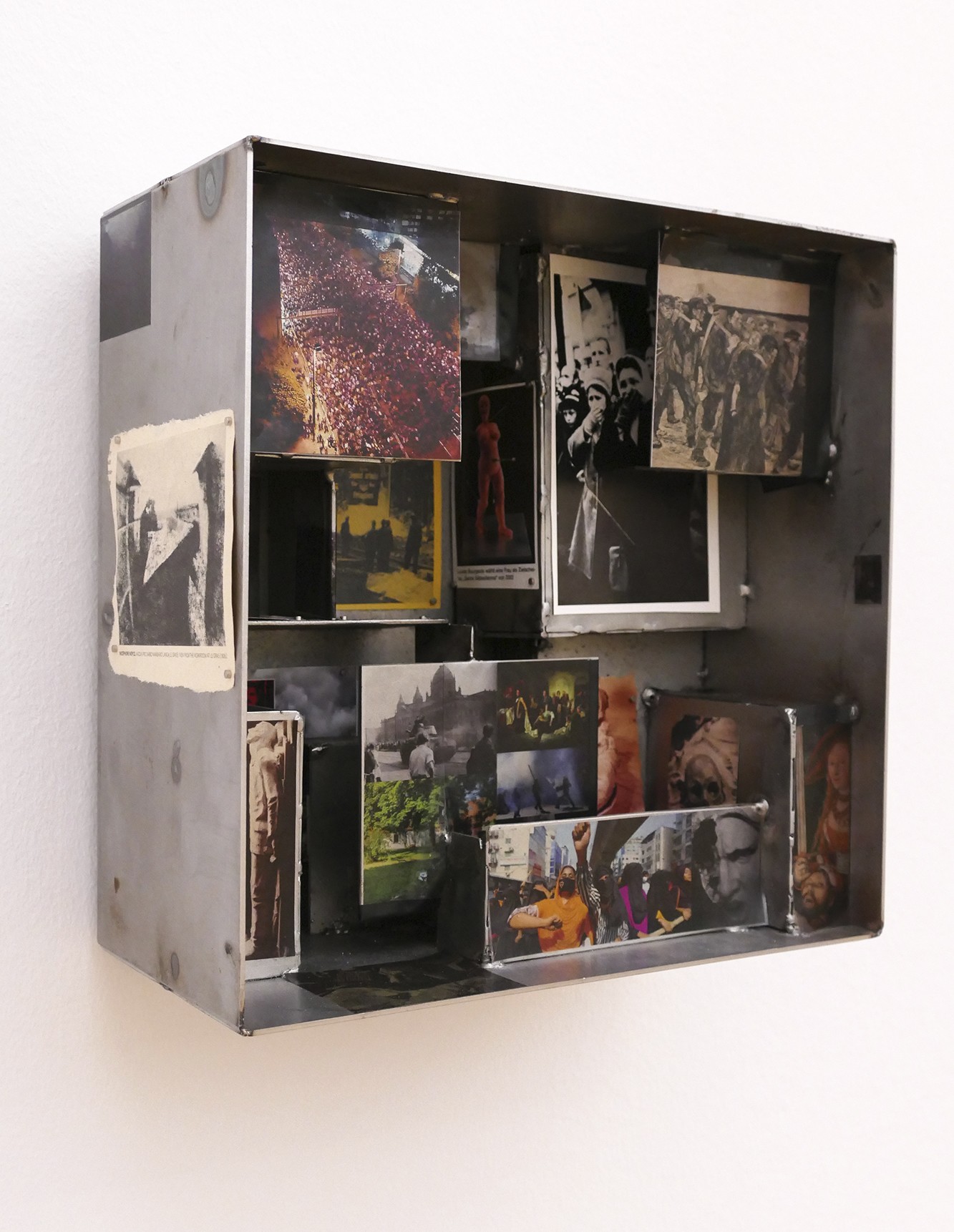
This artwork is a square, open box made of matt grey metal, hanging on a white wall. Inside and on the outer walls, numerous photographs, newspaper clippings and image fragments are arranged in an interlocking pattern, as if in a three-dimensional typesetting case. The images primarily depict mass gatherings, political demonstrations and historical scenes, superimposed on one another across different planes.
Stephen Stahn, Uprising (ӀӀӀ), 30 × 30 × 15 cm, sheet steel, found footage, 2026 © Stephen Stahn 2026
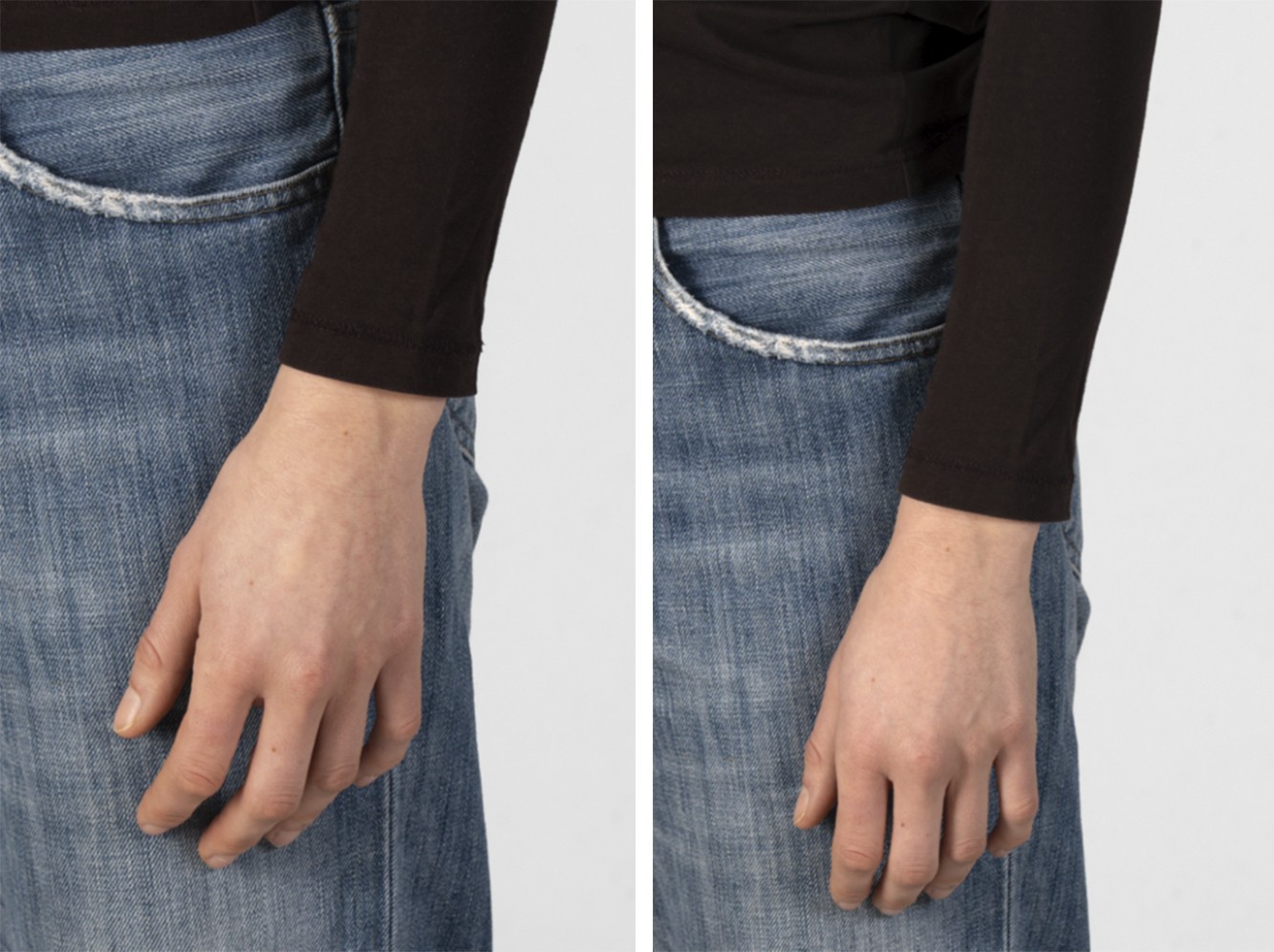
The image shows a person from the waist down in two almost identical, side-by-side frames. They are wearing a close-fitting, black long-sleeved top and a pair of classic blue jeans with a distressed look, where the edge of the front pocket is slightly frayed. The person’s arm hangs loosely by their side, with their hand resting relaxed on the denim fabric.
Lucie Löchel, The hand, hanging, Two pieces, each 40 x 30 cm, fine art print, 2026 © Lucie Löchel 2026
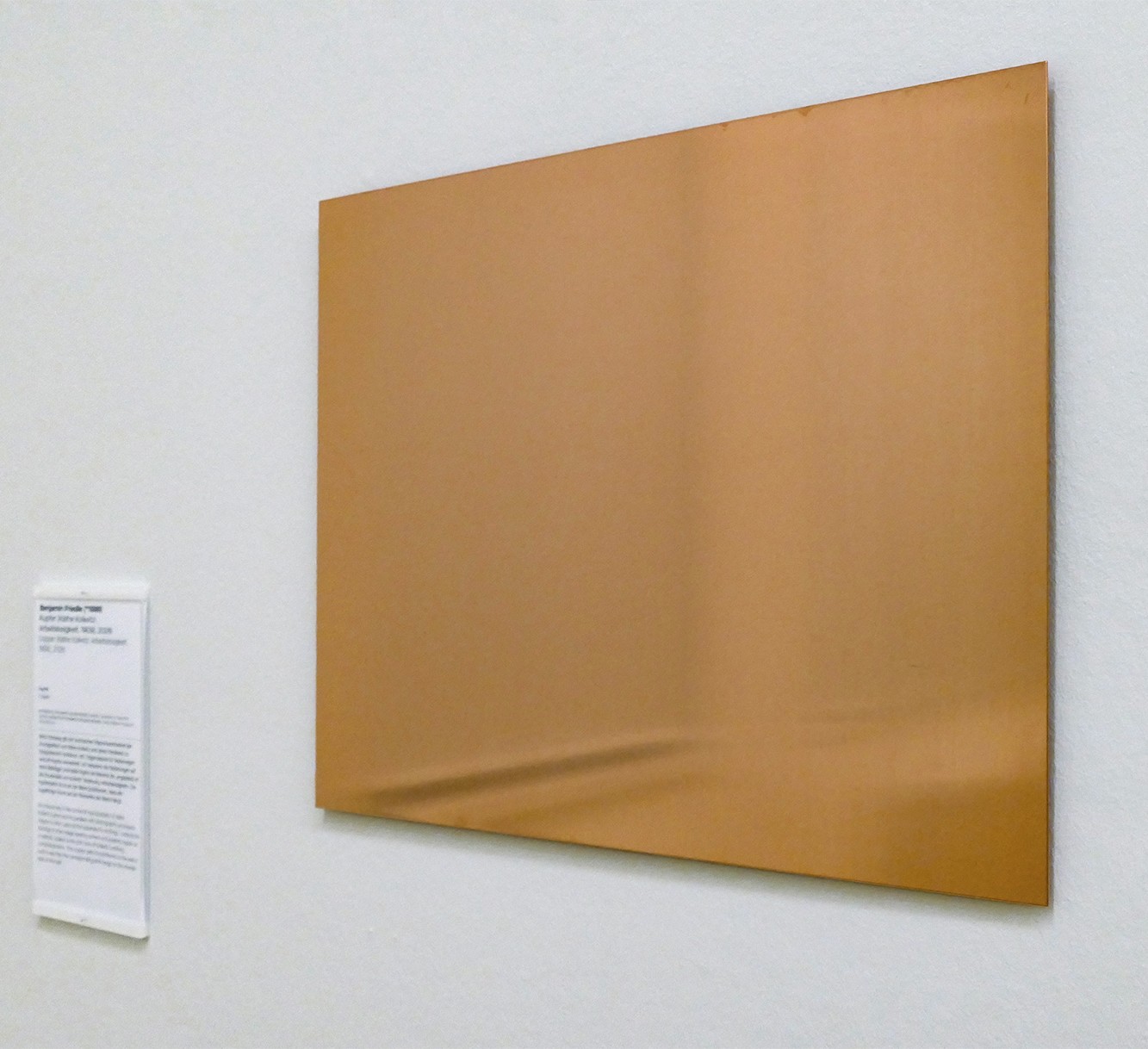
The image shows a copper plate of the same dimensions as the etching plate used for Käthe Kollwitz’s 1909 work ‘Unemployment’
Benjamin Friedle, Copper (Käthe Kollwitz: Arbeitslosigkeit, 1909), 44,4 x 54,4 cm, copper, 2026 © Benjamin Friedle 2026